How Much Does House Clearance Cost?
Rubbish Removal·17 September 2026
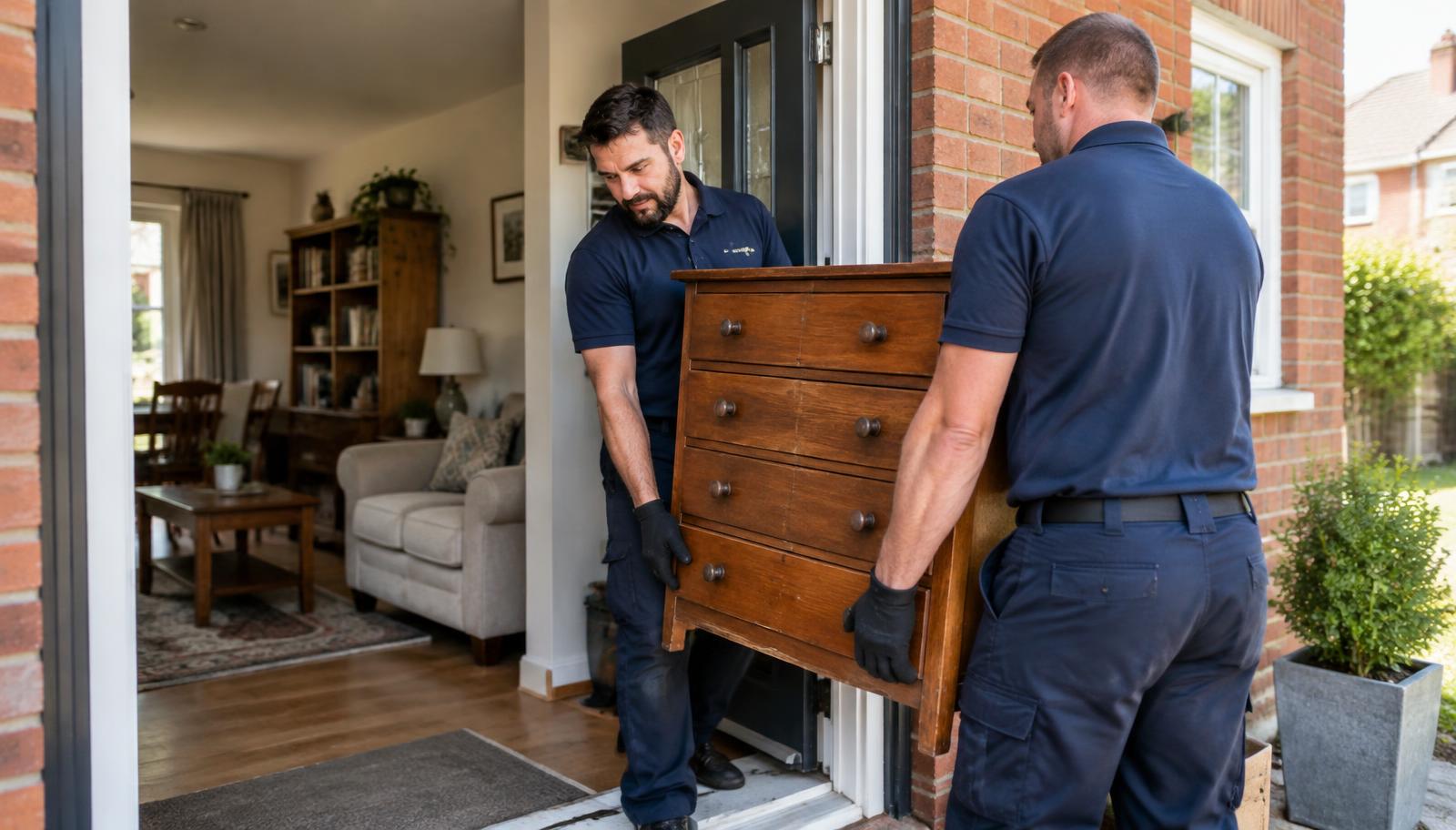
House clearance can be needed for many different reasons, from moving home and preparing a property for sale to clearing a garage, loft, rental property or inherited home. The cost depends mainly on how much needs to be removed, the type of items involved, access to the property and how the waste is handled. In the UK, a small house clearance can start at around £175, while medium and larger clearances can cost £400 to £600 or more. This 2026 guide explains typical house clearance prices, what is normally included, which items can cost extra and how to get an accurate quote.
House Clearance Prices UK 2026
House clearance prices vary because there is no single standard size for a clearance job. Some companies charge based on the amount of space used in their vehicle, while others calculate the job by weight, labour time, or a fixed quote.
As a useful 2026 guide, an extra-small clearance of up to around a quarter of a van load can start at approximately £175. A small clearance of around half a van load can start at about £325, while a medium clearance can start at around £400. A large clearance using approximately a full van load can start at around £595.
Other current UK pricing guides give a wider typical range of roughly £100 to £600, with an average around £450 for house clearance jobs. London and other higher-cost areas can be more expensive.
These figures are budgeting guides, not guaranteed prices. The amount and type of material being removed can make a substantial difference.
House Clearance Cost by Size
The amount of material being removed is one of the biggest factors affecting the price.
An extra-small clearance of up to around 250kg or roughly a quarter of a large van can start from approximately £175.
A small clearance of up to around 500kg or half a large van can start at about £325.
A medium clearance of up to around 750kg or three-quarters of a van can start at around £400.
A large clearance of up to approximately 1,000kg or a full van load can start at around £595.
If the amount exceeds one vehicle load, you may need another vehicle or an additional collection. This will normally increase the overall price.
How Much Does a One-Bedroom House Clearance Cost?
A small one-bedroom flat, bungalow or house generally requires less labour and vehicle capacity than a larger property.
A straightforward small clearance may fall somewhere around £175 to £300, depending on the amount being removed.
If the property contains large furniture, appliances, mattresses or substantial amounts of accumulated belongings, the cost can increase.
Access also matters. A ground-floor property with easy parking can take much less time to clear than a property where everything must be carried down several flights of stairs.
How Much Does a Two- or Three-Bedroom House Clearance Cost?
Two- and three-bedroom properties can vary considerably depending on how much furniture and personal property remains inside.
A partial clearance may be relatively inexpensive if only selected rooms need emptying. A full property clearance can require a medium or large vehicle load and several hours of labour.
As a broad budgeting guide, customers may encounter prices from around £275 to £500 or more for these types of clearances, with larger or heavily furnished properties costing more.
The best way to avoid surprises is to provide photographs or arrange a quotation before the clearance date.
How Much Does a Four-Bedroom House Clearance Cost?
A four-bedroom house can contain considerably more furniture and belongings than a smaller property.
A large clearance may require a full van load, multiple loads or more than one visit.
Current UK cost guides put a full large clearance at around £595 from some providers, while larger or more complicated properties can cost considerably more.
If the property includes a garage, loft, shed or outbuilding, make sure these areas are included when asking for the quotation.
How Much Does Furniture Removal Cost During a House Clearance?
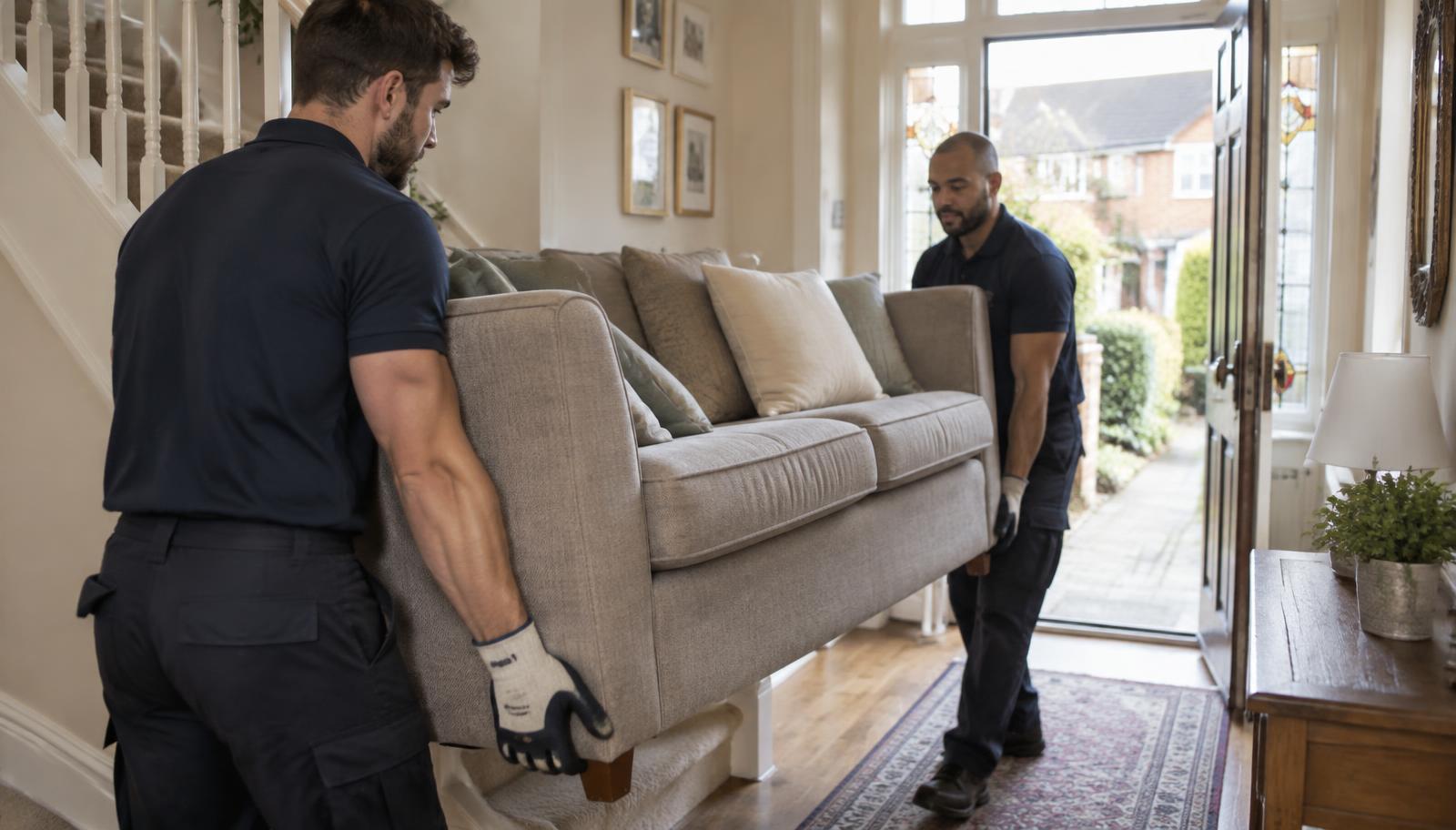
Furniture is one of the most common reasons people arrange a house clearance.
Typical items can include sofas, wardrobes, beds, tables, chairs, cabinets, bookcases and other unwanted household furniture.
Some companies include ordinary furniture removal within their clearance price, while others may charge based on the size or weight of individual items.
Large or unusually heavy furniture can require additional labour. Difficult access, narrow staircases, long carries or the need to dismantle furniture can also affect the quotation.
Always tell the clearance provider about large furniture before they arrive.
House Clearance and Appliance Removal
White goods and electrical appliances can require additional handling and disposal arrangements.
Common examples include refrigerators, freezers, washing machines, tumble dryers, dishwashers, televisions and other electrical equipment.
Some current UK pricing guides indicate additional charges of around £75 for a small fridge or freezer and around £120 for a large fridge freezer. TVs and monitors may also attract separate charges.
The exact price depends on the item and the provider, so ask whether the quotation includes appliance disposal.
How Much Does Garage Clearance Cost?
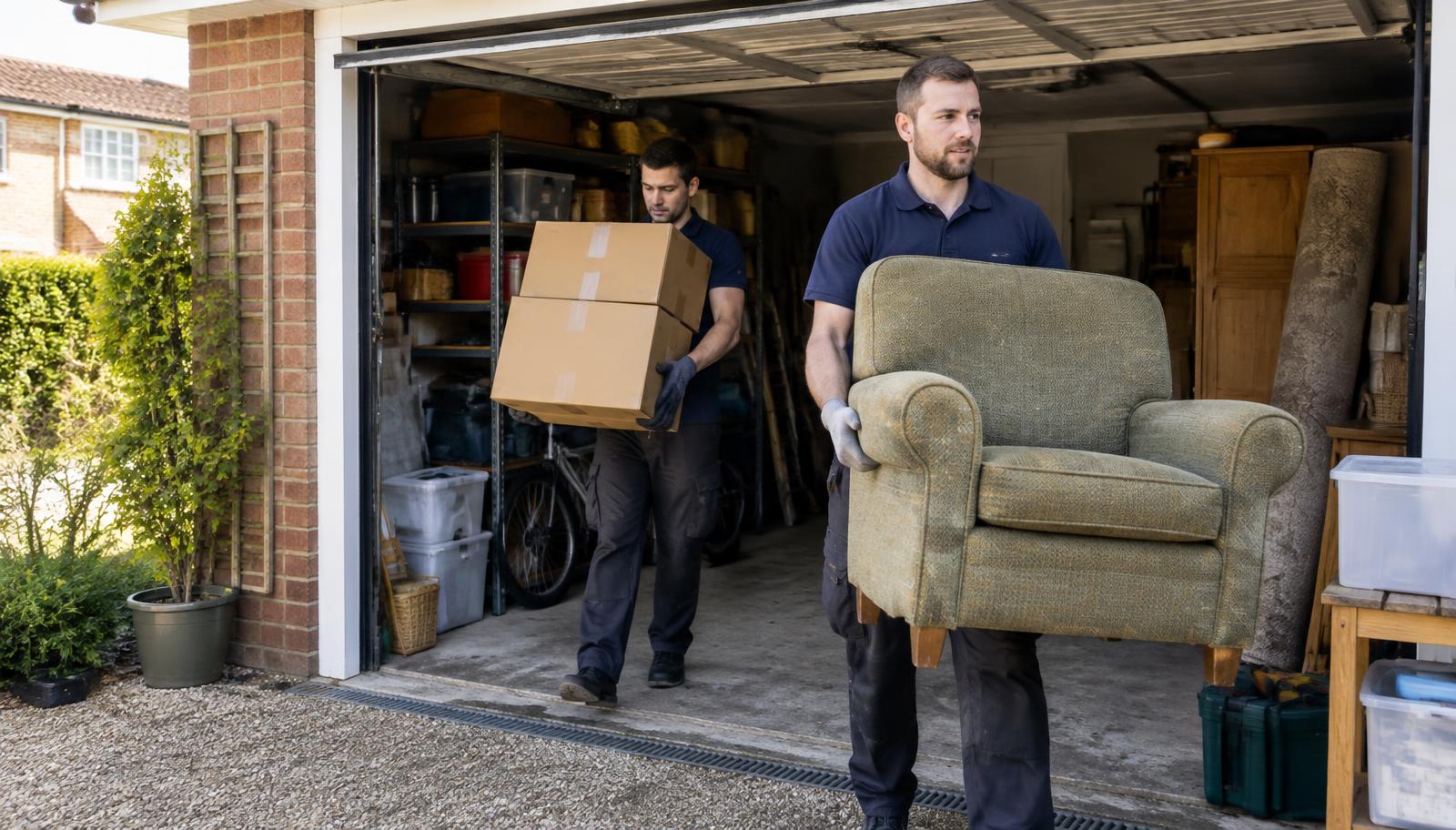
Garage clearance is often priced similarly to a house clearance because the main factors are the amount of material, labour, and vehicle space required.
A small garage with a few boxes and unwanted items may take only a few hours.
A garage containing old furniture, tools, appliances, garden equipment and accumulated household belongings can require substantially more time and vehicle capacity.
Before booking, separate anything you intend to keep so you don't accidentally remove valuable or important belongings.
How Much Does Loft Clearance Cost?
Loft clearance can be more complicated than an ordinary room clearance because access is often restricted.
Items may need to be carried through the house or down narrow stairs, and the clearance team may need to work carefully around loft hatches and limited headroom.
Old boxes, furniture, stored household goods and other accumulated belongings are commonly removed during loft clearances.
Tell the provider about the type of loft access before requesting a quotation so they can accurately assess the labour involved.

What Is Included in a House Clearance?
A typical house clearance may include labour, loading, transport and disposal or recycling of the items agreed with the customer.
The precise service varies between providers.
Some companies will clear furniture, appliances, household belongings and general unwanted items. Others may offer additional services such as dismantling furniture, sweeping the property after clearance or cleaning the property once it has been emptied.
Always check whether the quoted price includes disposal charges.
House Clearance After Moving Home
Moving home often creates a large amount of unwanted furniture and household clutter.
A house clearance can remove items not being taken to the new property, including old furniture, appliances, boxes, garden equipment, and general unwanted belongings.
Planning the clearance before moving day can make the process easier because you can separate items that are not going to the new home.
If you are selling or letting the property, a clear and empty home may also make it easier to prepare the property for the next stage.
House Clearance After a Bereavement
A house may need to be cleared after a bereavement, which can involve removing furniture, personal possessions, and household items.
This type of clearance can be particularly time-consuming because family members may need to sort documents, photographs, valuables and sentimental belongings before anything is removed.
Do not allow clearance workers to begin until you have identified and separated important possessions.
If there are items of significant value, clarify in advance whether the clearance company purchases, resells or disposes of belongings.
What Items Can a House Clearance Company Remove?
Many household clearance services can remove ordinary furniture, household belongings, electrical appliances, mattresses, garden items and general unwanted household waste.
However, not everything can necessarily be taken.
Hazardous materials, chemicals, asbestos, certain building materials and other controlled waste may require specialist handling.
If you have unusual or potentially hazardous items, describe them before booking rather than assuming they will be accepted on the day.
What Can Increase the Cost of House Clearance?
Several factors can increase the final price.
The biggest factor is usually the quantity of material being removed. More belongings require more labour and vehicle space.
The type of items also matters. Fridges, freezers, mattresses, televisions, pianos and other specialist items may attract additional disposal or handling charges.
Access can also affect the cost. Stairs, long carrying distances, restricted parking and difficult entrances can increase the time required.
Location matters too, particularly where travel distances and local disposal costs are higher.
House Clearance vs Skip Hire
Skip hire can sometimes be cheaper when a customer has a large quantity of general waste and is prepared to load the skip themselves.
A house clearance service is different because the workers normally do the lifting, loading, transport and disposal.
A skip may therefore suit a renovation or DIY project where the customer can load the waste.
A professional clearance service may be more convenient when the main requirement is removing furniture, household belongings and bulky items without doing the physical work yourself.
How Long Does House Clearance Take?
A small flat or garage can potentially be cleared within a few hours.
A larger house may take most of a day or longer, particularly if several rooms are full or there are additional areas such as garages, lofts and sheds.
The time required depends on the amount of material, the number of workers, access and whether furniture needs to be dismantled.
Providing photographs before booking helps a clearance company estimate the work more accurately.
How to Prepare for a House Clearance
Before the clearance begins, separate anything you intend to keep.
Check drawers, cupboards, wardrobes, loft storage and garages carefully for documents, photographs, jewellery, money and other important belongings.
If several people are involved, agree what is being removed before the clearance team arrives.
If possible, make parking accessible and ensure the workers can reach the rooms that need clearing.
A little preparation can reduce the time required and help prevent misunderstandings.
How to Get an Accurate House Clearance Quote
The most useful quotations clearly explain what is being removed, how much labour is included, what vehicle capacity is available and how disposal is handled.
Give the provider the number of rooms, approximate amount of furniture and any additional areas such as garages, lofts or sheds.
Mention large or specialist items such as pianos, fridge freezers, mattresses and heavy appliances.
Photographs can make it much easier for a company to assess the job before providing a price.
Ask whether the quotation is fixed and whether any additional disposal or access charges could apply.
Responsible Waste Disposal and House Clearance
Responsible disposal matters whenever a large quantity of household belongings is removed.
Ask how unwanted items are handled and whether reusable goods are donated, recycled or otherwise diverted from disposal where appropriate.
If a company is removing waste commercially, customers should also check that it is properly authorised to transport the types of waste involved.
Do not choose a clearance service based solely on the cheapest headline price. A very low quotation may not include disposal, difficult access or specialist items.
Frequently asked questions
How much does house clearance cost in the UK?
How much does a three-bedroom house clearance cost?
How much does a garage clearance cost?
Do house clearance companies remove furniture?
Need Help With A Clearance?
Whether you need regular garden clearance or a full house clearance to get things back under control, iDeliverr can help you find local home service options. Describe the work you need and arrange the help required for your clearance.
Check your postcode