How Much Does Rubbish Removal Cost?
Rubbish Removal·17 September 2026
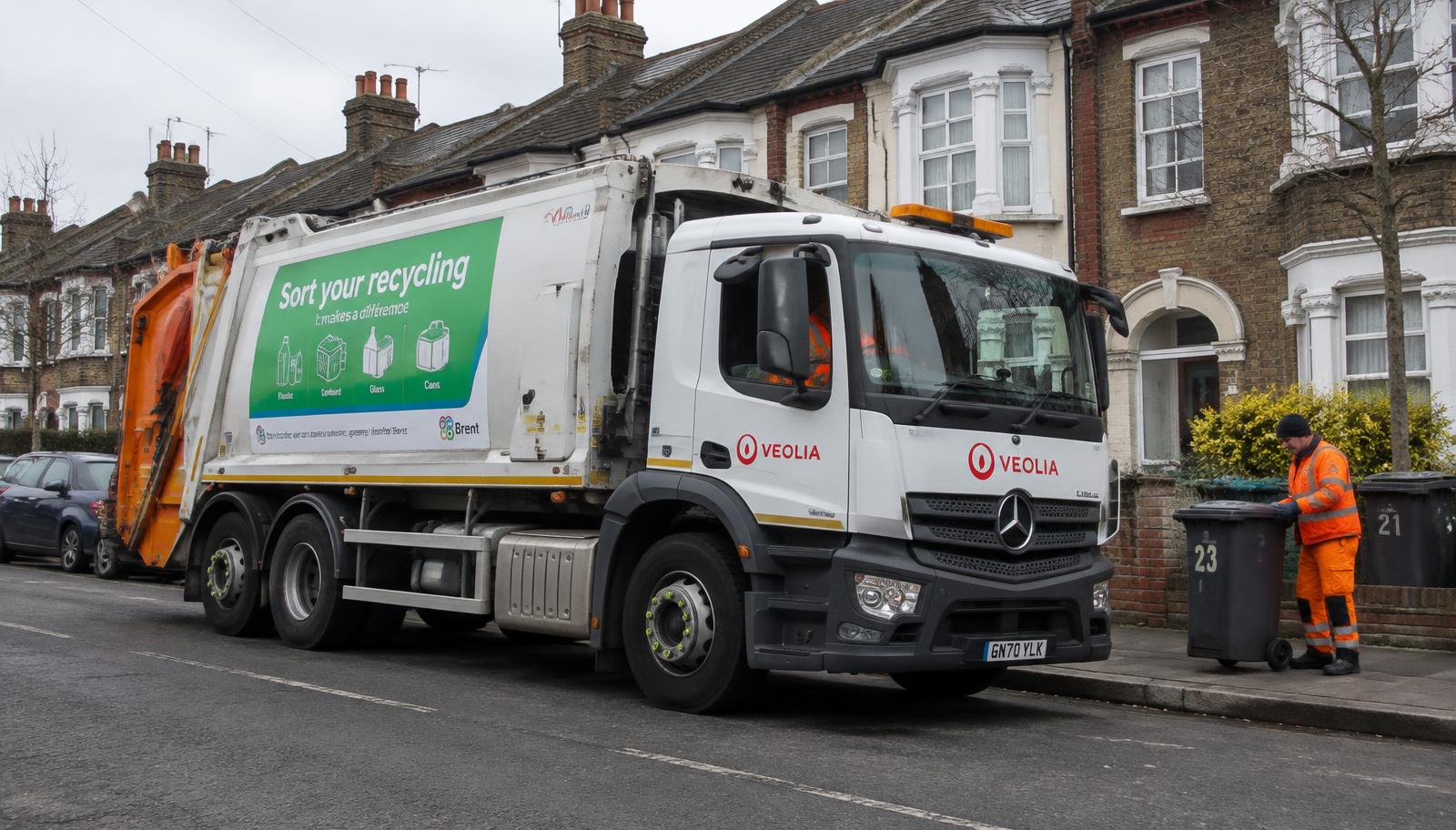
How much does rubbish removal cost in the UK in 2026? This guide explains typical rubbish removal prices, waste collection costs, furniture disposal, garden waste, house clearance, bulky items, van loads, skip hire and the factors that affect the final price.
How Much Does Rubbish Removal Cost in the UK in 2026?
If you are wondering how much rubbish removal costs, a useful UK 2026 planning range is around £65–£495 for many domestic rubbish removal jobs. The final price depends heavily on how much waste needs collecting, what type of waste it is, how easy the property is to access and where you live.
A small rubbish collection may cost around £75–£150, while a larger load can cost several hundred pounds. Full house clearances can be considerably more expensive because they involve more labour, loading time, transport and disposal.
Some companies price by the amount of waste collected, such as a quarter, half or full van load. Others provide a fixed price after seeing photographs of the rubbish.
For planning purposes, current 2026 UK guides put general rubbish removal at around £60–£400+ depending on load size, while other national guides put typical jobs at approximately £65–£495.
These are broad planning figures rather than fixed iDeliverr prices. The actual cost should be confirmed with the provider before the collection takes place.
Rubbish Removal Prices at a Glance
For a typical UK domestic rubbish removal job in 2026, these figures provide a useful starting point:
Small rubbish load: approximately £60–£150.
Single bulky item: approximately £30–£90 depending on the item.
Quarter van load: approximately £120–£190.
Half van load: approximately £170–£300.
Full van load: approximately £220–£520.
Average rubbish removal job: around £265 in some current UK cost guides.
Garden waste removal: approximately £60–£200 depending on volume.
House clearance: approximately £150–£2,000+ depending on the property and amount of waste.
These figures are broad UK planning ranges. London and parts of the South East can cost more because of labour, travel, congestion, parking and disposal costs.
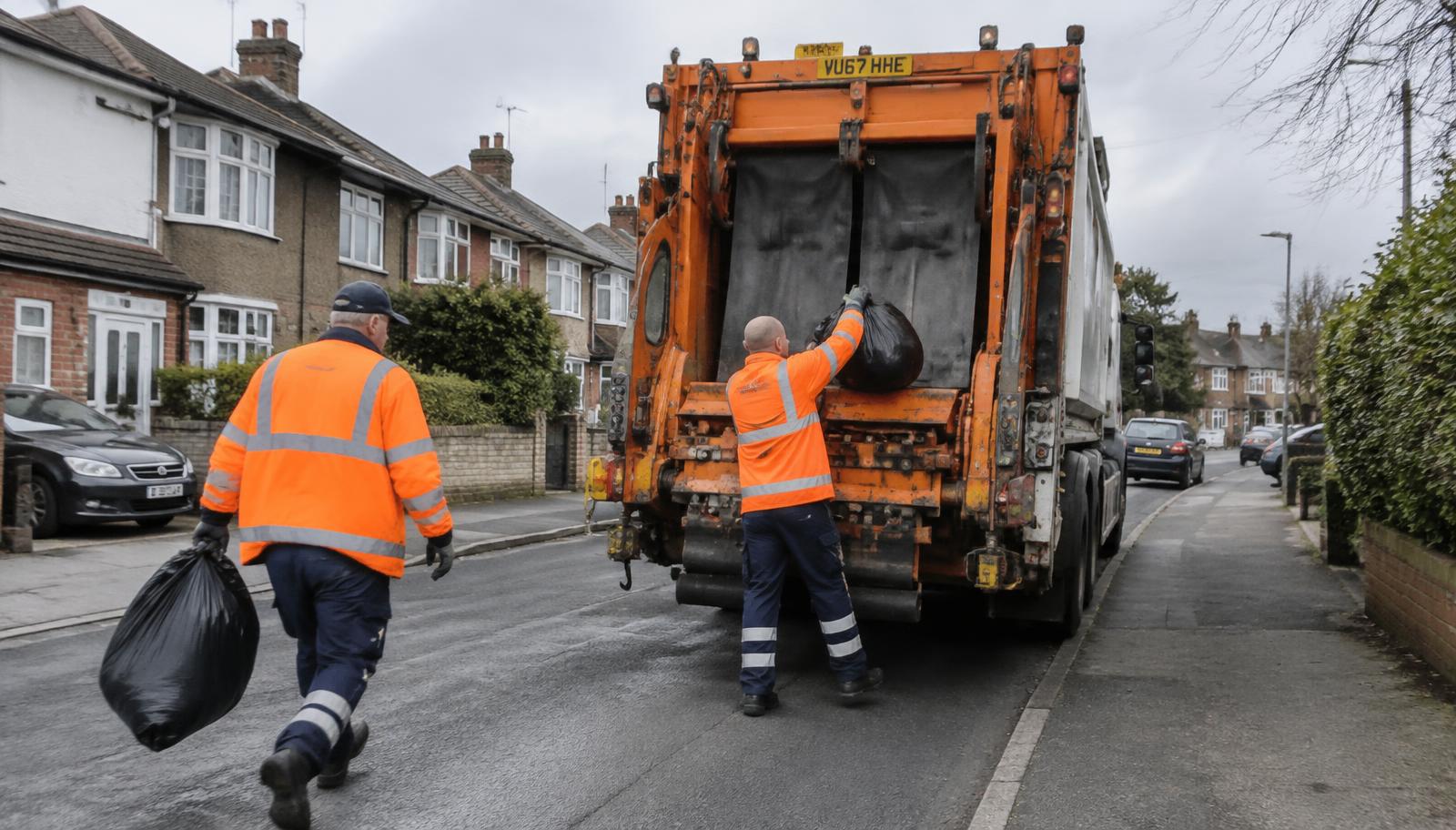
How Much Does Rubbish Removal Cost Per Load?
Many rubbish removal companies price jobs according to the amount of waste they need to collect.
A small load might cost around £60–£150, while a quarter or half van load can cost roughly £120–£300 depending on the company and location.
A full load can cost around £220–£520 or more when there is a large quantity of waste or difficult access.
Load-based pricing can be easier to understand than an hourly rate because you know roughly what the collection will cost before the vehicle arrives.
However, make sure you understand how the company defines a load. Vehicle sizes vary, and a "full van" from one provider may hold a different amount from another.
Photographs are often useful when requesting a quote because they allow the provider to estimate the volume before the collection.
How Much Does a Small Rubbish Collection Cost?
A small domestic rubbish collection can cost around £60–£150 in 2026.
This might include several bags of household rubbish, a small amount of garden waste, a few pieces of furniture or other unwanted household items.
Some companies also offer minimum collection charges for single items or very small loads.
A low headline price does not necessarily represent the complete cost. Check whether loading, transport, disposal and VAT are included.
Access can also affect the price. Rubbish inside a property that requires carrying down several flights of stairs may take considerably longer to load than waste already placed outside.
If you have a small collection, combining several unwanted items into one visit can make better use of the minimum collection charge.
How Much Does a Full Van Load of Rubbish Cost?
A full van load of household rubbish can cost approximately £220–£520 in 2026, depending on the provider, vehicle size, waste type and location.
Some UK price guides put a typical full load around £343, while other providers advertise full-van collections from around £300.
The amount of waste that counts as a full load varies between companies.
For an accurate quote, ask what vehicle will be used and approximately how much waste it can carry.
The type of rubbish matters too. Heavy building materials, soil, rubble and other dense waste can affect the amount that can safely be transported.
Bulky items can also take up substantial vehicle space even when they are relatively light.
If you are clearing a garage, loft or several rooms, photographs can help the waste removal company estimate the required vehicle size.
How Much Does Furniture Removal Cost?
Furniture removal can range from around £30–£90 per item for straightforward disposal, although larger or multiple items can cost considerably more.
Common furniture removal jobs include sofas, wardrobes, beds, mattresses, tables, chairs, cabinets and other unwanted household furniture.
A single lightweight item may be relatively inexpensive to collect, while a large sofa or several heavy wardrobes may require additional labour.
Stairs, narrow doorways and difficult access can also increase the time required.
If furniture needs dismantling before it can be removed, ask whether this service is included.
For multiple pieces, it can be more economical to request a combined clearance price rather than arranging separate collections for each item.
Tell the provider about particularly heavy, fragile or oversized furniture before booking.
How Much Does Sofa Removal Cost?
Sofa removal can cost around £50–£120 or more depending on the sofa, location and access.
A small sofa that is already outside may be relatively straightforward to collect.
A large corner sofa inside a property can take considerably longer, particularly if it needs to be dismantled or carried down stairs.
Access is one of the most important factors.
Before requesting a quote, explain:
How many sofas need removing.
Whether they are upstairs.
Whether there are narrow doorways or stairs.
Whether the sofa can be dismantled.
Whether there is parking close to the property.
Whether other rubbish needs removing at the same time.
Providing photographs can make it easier for the company to determine the vehicle and labour required.
How Much Does Mattress Removal Cost?
Mattress removal is often charged as a single-item collection or as part of a larger rubbish removal job.
A typical mattress collection can cost around £30–£70 or more depending on the provider, mattress size and location.
Larger mattresses can take up considerable vehicle space, while carrying one from an upstairs bedroom can require additional labour.
Some providers may charge different rates for mattresses because they require specific disposal or recycling arrangements.
If you are removing a bed as well as the mattress, ask whether both can be included in one collection.
Combining several unwanted items into one visit can also reduce the effective cost per item.
Always check whether the quoted price includes loading and disposal rather than assuming it is collection only.
How Much Does Garden Waste Removal Cost?
Garden waste removal can cost approximately £60–£200 depending on the amount and type of waste.
Typical garden waste includes branches, hedge cuttings, grass, leaves, plants, weeds and other green waste.
Large garden clearances can cost more because the waste may need to be cut down, gathered and loaded before it can be removed.
If the waste is already bagged and accessible, collection may be quicker.
If a provider needs to cut back an overgrown garden before removing the waste, this may be a separate gardening or clearance service.
Soil, rubble, paving slabs and other heavy garden materials should also be mentioned when requesting a quote because they are different from ordinary green waste.
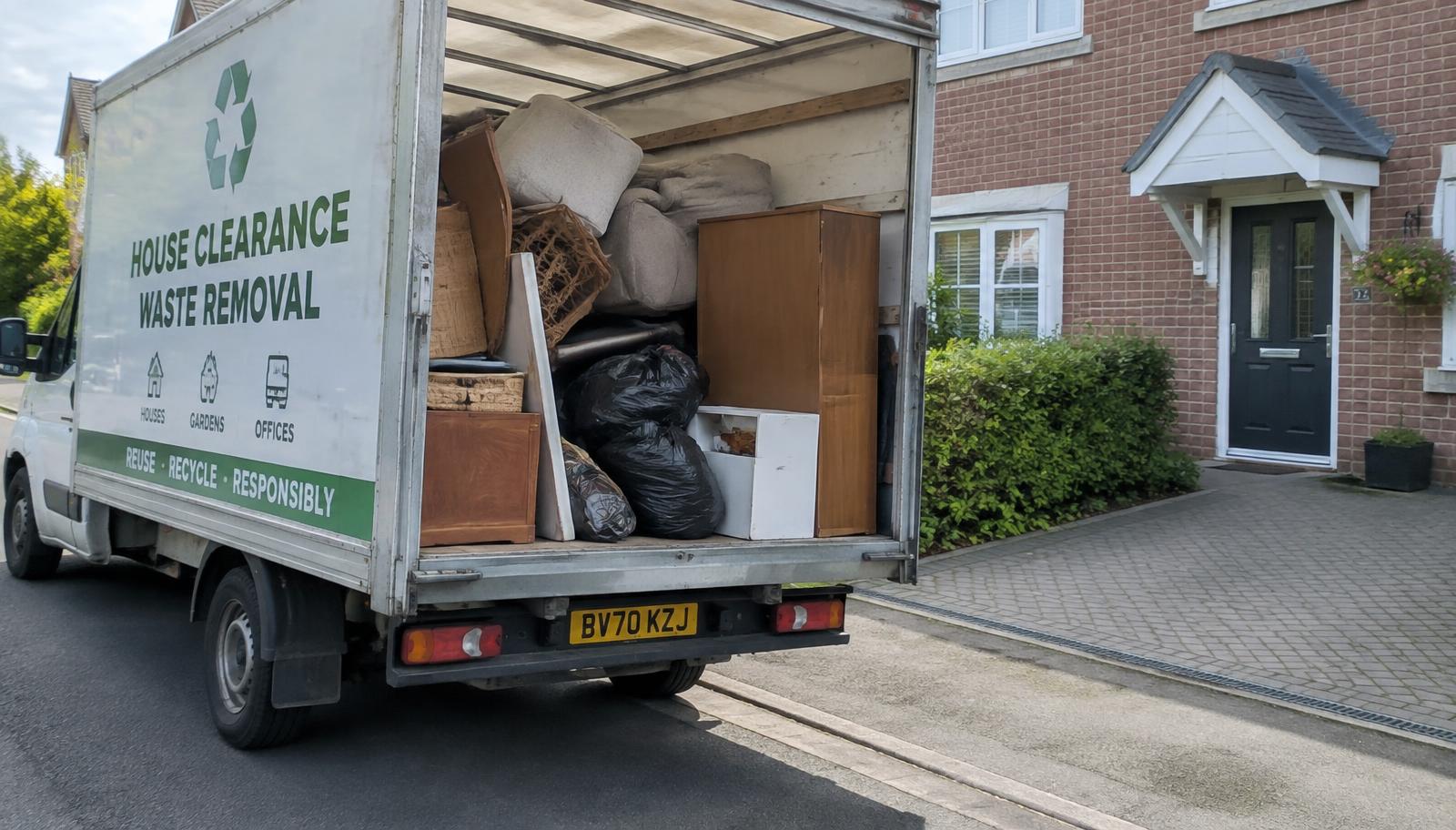
How Much Does a House Clearance Cost?
House clearance prices vary much more than ordinary rubbish removal because the amount of work can range from clearing one room to emptying an entire property.
Current 2026 UK cost guides put house clearance at approximately £150–£2,000+ depending on property size, volume of contents, access and the type of items involved.
A smaller one- or two-bedroom clearance may cost several hundred pounds, while a large property containing substantial furniture, appliances, garden items and general household contents can cost considerably more.
The condition of the property also matters.
If everything is already boxed, bagged or accessible, loading may be relatively straightforward.
If furniture needs dismantling, heavy items need carrying downstairs or rooms are heavily filled, more labour may be required.
For a house clearance, photographs or an in-person assessment are often the best way to obtain an accurate fixed quote.
How Much Does a Garage Clearance Cost?
Garage clearance prices depend mainly on the amount of waste and the type of items stored inside.
A small garage with a few boxes and unwanted household items may cost around £100–£250 to clear.
A heavily packed garage containing furniture, tools, building materials and bulky waste can cost considerably more.
Access is important. A garage with a driveway directly in front can be much easier to clear than one requiring everything to be carried a long distance to the vehicle.
If the garage contains heavy materials such as bricks, rubble, soil or timber, mention this when requesting a quote.
Some items may also require specialist disposal.
Photographs are particularly useful for garage clearances because they allow the provider to estimate both volume and vehicle requirements.
How Much Does Loft Clearance Cost?
Loft clearance can involve more labour than a straightforward ground-floor rubbish collection.
The waste may need to be carried down stairs, through hallways and out to the vehicle.
A small loft clearance might cost around £100–£250, while a large or heavily filled loft can cost considerably more.
The type of waste also affects the price.
Old furniture, boxes and general household items are usually easier to handle than heavy building materials.
If the loft has limited access, a small hatch or a narrow staircase, tell the clearance company before requesting the quote.
If furniture needs dismantling before removal, confirm whether that work is included.
For large loft clearances, photographs can help the provider estimate the amount of labour and vehicle space required.
What Types of Rubbish Can a Removal Company Take?
A professional rubbish removal company can often handle a wide range of household waste.
Common examples include:
Old furniture.
Sofas and chairs.
Mattresses.
Wardrobes.
Beds.
Tables.
Garden waste.
Household bags.
Garage waste.
Loft contents.
Old appliances.
Carpets.
Timber.
Small amounts of building waste, where accepted.
The exact waste types accepted vary between providers.
Some materials require specialist handling or disposal.
Hazardous waste, asbestos, certain chemicals, gas cylinders, paint and other controlled materials should be declared before collection.
Do not assume that a standard domestic rubbish collection can accept every type of waste.
Explain exactly what needs removing before booking so the provider can confirm whether it can legally and safely be transported.
Does Rubbish Removal Include Loading?
Many professional rubbish removal services include loading as part of the collection.
This is one of the main differences between a full clearance service and simply hiring a vehicle.
However, always confirm what the quote includes.
A provider may charge extra for particularly heavy items, difficult access, dismantling or additional labour.
For example, a sofa on the ground floor with direct driveway access is much easier to load than a heavy wardrobe that needs dismantling and carrying down several flights of stairs.
Tell the provider where the rubbish is located and whether there are stairs, lifts or narrow access routes.
A photograph can help when the access is difficult.
Getting this agreed before the collection reduces the chance of additional charges on the day.
Does Rubbish Removal Include Disposal Fees?
Some companies include disposal fees in the quoted price, while others separate disposal from labour and transport.
When comparing quotes, make sure you know whether the price covers the complete service.
A complete quote may include:
Loading.
Labour.
Transport.
Waste transfer or disposal.
Recycling where appropriate.
Tip or facility charges.
Basic sweeping or tidying.
Other providers may quote labour separately and add disposal charges based on the waste collected.
The waste type can also affect disposal costs.
Heavy waste, electrical items, mattresses, hazardous materials and certain construction waste may require different disposal arrangements.
Ask for a complete written price whenever possible.
How Much Does Rubbish Removal Cost in London?
Rubbish removal in London can cost more than broad UK averages because labour, parking, congestion, travel and disposal costs can be higher.
Current 2026 guidance commonly places London and the South East around 20–30% above some national or rest-of-UK benchmarks for waste removal, although individual jobs vary considerably.
A small rubbish collection may still be relatively inexpensive, while a large house clearance can become substantially more expensive.
Access is particularly important in London.
Parking restrictions, controlled zones, flats without lifts, narrow streets and long carrying distances can all increase the time required.
When requesting a London quote, provide the postcode and explain the access arrangements.
If parking requires a permit or there are loading restrictions, mention these before the appointment.
What Affects the Cost of Rubbish Removal?
Several factors determine the final cost.
The biggest is usually volume.
More rubbish requires more vehicle space, loading time and disposal capacity.
Waste type is also important. Heavy materials, electrical goods, mattresses and other specialist items may have different disposal costs.
Access can make a major difference. Stairs, long carrying distances, narrow entrances and restricted parking can increase labour time.
Location affects travel and operating costs.
Urgency can also increase the price. Same-day or out-of-hours collections may cost more than standard appointments.
Finally, dismantling can add labour.
If wardrobes, sheds, furniture or other bulky items need to be dismantled before removal, agree whether this is included.
How Long Does Rubbish Removal Take?
A small rubbish collection can sometimes be completed within an hour or two.
Larger clearances may take several hours, while substantial house clearances can take most of a day or longer.
The amount of loading required is one of the biggest factors.
A small pile of bags outside a property can be loaded quickly.
A house clearance involving furniture, appliances, boxes, garden items and multiple rooms requires considerably more time.
Access also affects the duration.
Waste located upstairs, in a loft, basement or rear garden may take longer to remove than items placed directly beside the collection vehicle.
If you need the clearance completed by a particular time, tell the provider when requesting the quote.
Rubbish Removal or Skip Hire: Which Do I Need?
Rubbish removal and skip hire are different ways of dealing with unwanted waste.
With rubbish removal, the provider normally arrives with a vehicle and loads the waste for you.
This can be convenient for household clear-outs because you do not need to fill the skip yourself.
Skip hire can make sense when waste is being generated gradually over several days, particularly during building or renovation work.
However, a skip needs space and may require a permit if it is placed on a public road.
Rubbish removal can be more convenient when the waste already exists and you want it gone in one visit.
Compare the total cost, convenience, access requirements and expected volume before deciding which option fits the job.
Do I Need a Waste Carrier Licence for Rubbish Removal?
If you are paying a private business to take household waste away in England, you should check that the business is registered as an authorised waste carrier.
GOV.UK advises householders using private waste collection services to check the company is on the waste carrier register and to select upper tier when checking the registration.
The Environment Agency's public register allows you to check waste carriers by business name, registration number or location.
A legitimate waste carrier should be able to provide its registration details.
This matters because householders have a legal duty of care over their waste. The official waste duty of care guidance says that when a private business takes household waste, reasonable steps should be taken to check that the carrier has valid upper-tier registration.
Before handing over your rubbish, ask for the carrier's registration details and keep any paperwork or receipt provided.
What Is a Waste Transfer Note?
A waste transfer note is documentation recording the transfer of waste from one person or organisation to another.
For some household collections, the paperwork provided may be a receipt or other waste transfer documentation depending on the circumstances and waste type.
The important point is to understand who is taking your waste and where it is going.
For larger or commercial clearances, proper waste documentation becomes particularly important.
Ask the provider what paperwork will be supplied after collection.
If you are a business rather than a household, waste transfer and record-keeping requirements can be different from domestic waste arrangements.
If you are unsure about your legal obligations, check the current government guidance applicable to your type of waste and property.
How Can I Reduce the Cost of Rubbish Removal?
There are several practical ways to keep rubbish removal costs under control.
Separate ordinary household waste from materials that may require specialist disposal.
Gather smaller items together so the provider can load efficiently.
Dismantle furniture yourself if it is safe and the provider agrees this is appropriate.
Place waste somewhere accessible if you can do so safely.
Take clear photographs before requesting a quote.
List large or heavy items separately.
Tell the provider about stairs, parking restrictions and difficult access.
Combine several unwanted items into one collection rather than booking multiple small collections.
Ask whether the price is fixed or based on the actual volume collected.
Most importantly, compare complete quotes rather than choosing solely on the cheapest advertised starting price.
What Should Be Included in a Rubbish Removal Quote?
A useful rubbish removal quote should make clear exactly what is included.
Depending on the job, it should specify:
The type of waste.
The estimated volume or load size.
Loading labour.
Vehicle and transport.
Disposal or transfer costs.
Recycling arrangements where applicable.
Dismantling, if required.
Additional labour.
Parking or access charges.
VAT, where applicable.
Any excluded waste types.
For example, a quote for a house clearance should explain whether it includes all furniture, appliances, garden contents, loft contents and other agreed items.
A clear written quote helps prevent disagreements when the collection takes place.
Should I Get More Than One Rubbish Removal Quote?
For a small collection, comparing several providers may not be necessary.
For a larger house clearance, garage clearance, garden clearance or full van load, comparing quotes can help you understand the likely cost.
Look at the complete service rather than just the starting price.
One company may advertise a low minimum collection price but charge separately for loading, heavy items or disposal.
Another may provide a higher fixed price that includes everything.
Check:
What waste is included?
How much can be collected?
Is loading included?
Are disposal charges included?
Is VAT included?
Are stairs or difficult access included?
Is the price fixed?
Will additional waste cost extra?
This makes it much easier to compare like-for-like services.
When Should I Book Rubbish Removal?
Rubbish removal can be useful whenever unwanted items have accumulated beyond what you can reasonably dispose of yourself.
Common occasions include:
Moving house.
Clearing a garage.
Clearing a loft.
Replacing furniture.
After decorating or renovation.
After a garden clearance.
Preparing a property for sale.
Preparing a rental property for new tenants.
Clearing a deceased person's property.
Removing bulky household items.
After a home improvement project.
If the waste is already available and you want the space cleared quickly, a professional collection can save the time involved in loading and transporting everything yourself.
For large clearances, booking in advance can make it easier to arrange the correct vehicle and enough labour.
Getting Rubbish Removed From Your Home
Whether you have a few unwanted items, a garage full of rubbish, garden waste or a complete house clearance, the right removal service depends on the amount and type of waste involved.
Describe the waste accurately and provide photographs where possible.
Mention large furniture, appliances, heavy materials and anything that may require specialist disposal.
Also explain where the waste is located and whether there are stairs, narrow access routes or parking restrictions.
Before handing household waste to a private collection business in England, check that the carrier is properly registered and authorised to take your waste.
A clear description of the job makes it easier to receive an accurate quote and reduces the risk of unexpected charges.
Frequently asked questions
How much does rubbish removal cost in the UK?
How much does a full van load of rubbish cost?
How much does furniture removal cost?
How much does garden waste removal cost?
How much does house clearance cost?
Do I need to check a rubbish removal company's waste carrier registration?
Should I get more than one rubbish removal quote?
Need Rubbish Removed From Your Home?
Whether you need a few unwanted items collected, furniture removed, garden waste cleared or help with a larger house clearance, iDeliverr can help you find local home service options. Describe what needs removing and arrange the help required.
Check your postcode